Find column windshield wiper switch for cars, buses, and trucks
Source 30 verified options for the column windshield wiper switch suitable for cars, city buses, and trucks. Buyers can compare models, materials, and delivery times to find the right part for their fleet needs.
Key considerations
Products List


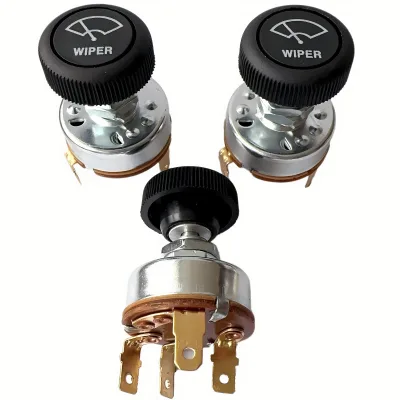


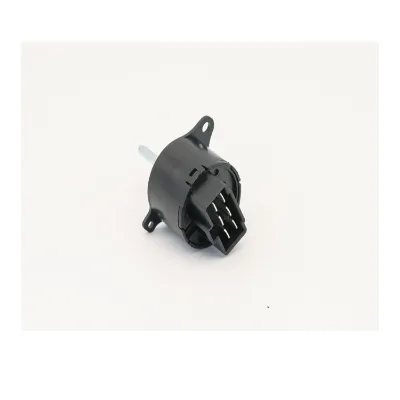
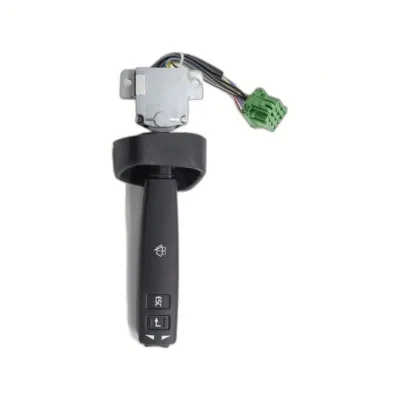
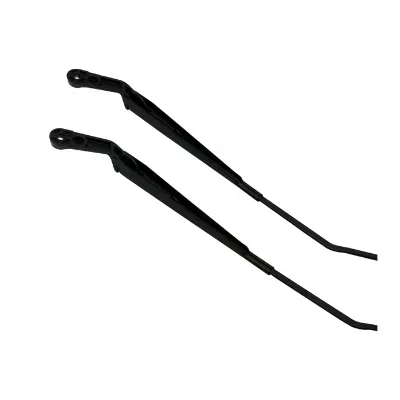




Comprehensive Sourcing Guide
Strategic Sourcing Guide for Column Windshield Wiper Switches
Understanding the Technical Landscape of Wiper Switches
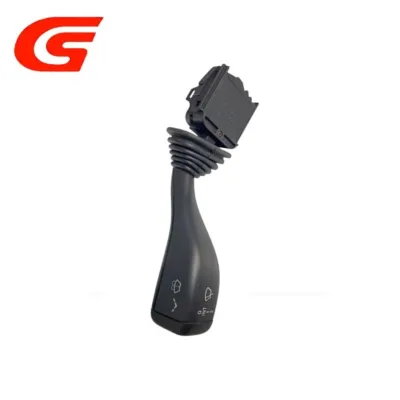
When sourcing a column windshield wiper switch, buyers must first distinguish between the mechanical actuation components and the electrical control units. The provided product data indicates a specific focus on electrical driving types, where the switch serves as the primary interface for controlling wiper speed, intermittent settings, and pulse functions. In the context of the observed product attributes, the "Driving Type" is explicitly listed as Electrical, which implies that the switch is not a purely mechanical lever but an electronic component that sends signals to the wiper motor control module. This distinction is critical because it affects the wiring harness compatibility and the integration requirements with the vehicle's existing electrical architecture.
The material composition of these components varies significantly based on the specific sub-assembly. While some wiper arm and blade assemblies utilize "Full Rubber" or "Carbon Metal" materials for the wiping interface, the switch itself typically requires high-durability plastics and conductive metals to withstand the frequent actuation cycles of a driver. The observed "Carbon Metal" material attribute suggests a robust internal contact structure designed to handle electrical loads without significant arcing or wear. Buyers should verify that the internal contacts are rated for the specific amperage of the wiper motor they intend to control. Furthermore, the "Sweep Angle" of 135° observed in related wiper blade data highlights the importance of ensuring the switch's control logic aligns with the physical range of motion of the wiper arms on the target vehicle. A mismatch in control logic can lead to incomplete clearing of the windshield or mechanical interference.
Compliance and Certification Verification Protocols
In the automotive aftermarket and OEM replacement sectors, compliance is not merely a formality but a prerequisite for market access and liability protection. The supplied data mentions that the "OEM" status is "Acceptable," which indicates that suppliers are capable of manufacturing parts that meet original equipment specifications. However, "Acceptable" does not automatically imply that every unit shipped possesses specific third-party certifications. Buyers must independently verify that the product meets the safety standards of the destination market, such as ECE regulations in Europe or FMVSS standards in the United States.
The product origin is listed as "China," with specific manufacturing hubs noted in "Zhejiang" and "Shaanxi." While these regions are known for automotive component manufacturing, the geographic origin alone does not guarantee compliance. Buyers should request documentation proving that the manufacturing facility adheres to ISO 9001 quality management systems and that the specific batch of switches has undergone the required electromagnetic compatibility (EMC) testing. The "Quality" attribute of "100% Professional Tested" is a positive indicator, but it is an internal claim. To validate this, procurement teams should ask for test reports that detail the specific environmental stress tests performed, such as vibration, thermal cycling, and humidity resistance. Without these verified documents, the risk of field failures due to electrical shorts or switch degradation increases significantly.
Cost Drivers and Pricing Dynamics
The pricing structure for column windshield wiper switches is influenced by several variables, including the complexity of the electrical circuit, the materials used for the housing and contacts, and the volume of the order. The observed price range in the market spans from $0.20 to $39.62 USD. This wide disparity suggests a segmentation between basic, non-branded replacement switches and high-end, branded units with advanced features or specific OEM certifications. The lower end of the spectrum likely represents generic components with standard plastic housings and basic contact mechanisms, while the higher end may include switches with integrated logic boards, waterproofing, or specific branding like "Foracing."
Volume is a primary driver of cost efficiency. The observed Minimum Order Quantity (MOQ) ranges from 1 to 1000 units. Buyers purchasing single items or small batches will face unit costs at the higher end of the spectrum due to the fixed costs of setup and packaging. Conversely, orders meeting the higher MOQ thresholds, such as the specific "100pcs" requirement noted in some listings, often unlock more competitive pricing tiers. Additionally, the "Payment Item" options, including TT, Wu, and Moneygram, suggest that payment terms can influence the final landed cost. Buyers should negotiate payment terms that align with their cash flow while ensuring that the supplier offers sufficient security, such as letters of credit for large orders, to mitigate financial risk.
Typical Applications and Vehicle Compatibility
The versatility of the column windshield wiper switch is evident in the broad range of applications listed in the product data. The "Application" field explicitly includes "Car, City Bus, Coach, Trucks, Engineering Vehicle," indicating that these components are not limited to passenger cars but are essential for heavy-duty and commercial transportation sectors. This diversity means that a single switch model may need to be adapted for different vehicle architectures. The "Car Make" is listed as "Universal," which implies that the product is designed to fit a wide array of vehicle models, but this universality often requires specific adapters or wiring harness modifications during installation.
The compatibility with specific vehicle years is another critical factor. The data lists year ranges such as "2012-2016," "2008-2016," "2011-2016," and "2017-2019." These ranges correspond to specific generations of vehicles where the wiper control logic and physical mounting points remained consistent. Buyers must cross-reference the part number, such as "FL-210527005" or "7251263," with the specific vehicle identification number (VIN) of the target fleet. The "Purpose" is defined as "for replace/repair," confirming that these are aftermarket solutions intended to restore functionality to vehicles with failed original switches. For fleet managers managing mixed-age vehicles, the ability to source a switch that covers multiple year ranges can significantly simplify inventory management and reduce the time required for repairs.
Supplier Evaluation and Operational Capabilities
Evaluating a supplier for column windshield wiper switches requires a deep dive into their logistical and operational capabilities. The "Delivery Time" varies significantly, with some listings offering "3-7 Working Days" while others specify "30-35 Days." This discrepancy often reflects the difference between stock availability and made-to-order production. Suppliers with shorter lead times likely maintain inventory of high-demand models, whereas those with longer lead times may operate on a just-in-time manufacturing model. Buyers must align their procurement timeline with these lead times to avoid vehicle downtime.
The "Transportation" methods listed include "by Sea, by Air," and the "Dlivering Way" options encompass major couriers like DHL, TNT, UPS, EMS, and FedEx. This flexibility allows buyers to choose shipping methods based on urgency and budget. For urgent repairs, air freight via DHL or FedEx is preferable, while for bulk inventory replenishment, sea freight offers cost savings. The "prod_packing" varies from "Natural Package" to "Color Box, Blister, PVC Box," and "Carton." Proper packaging is essential to prevent damage during transit, especially for electrical components that are sensitive to moisture and static electricity. Buyers should verify that the packaging includes anti-static measures and sufficient cushioning to protect the switch during long-haul shipping.
Quality Control and Long-Term Procurement Strategy
Ensuring the long-term reliability of column windshield wiper switches requires a robust quality control strategy. The "Condition" is listed as "New," and the "Warranty" is offered as "12 Months" for certain products. This warranty period serves as a baseline expectation for product durability. However, buyers should not rely solely on the warranty statement; they must implement incoming quality inspection protocols. This includes verifying the "Single gross weight" and "Single package size" against the supplier's specifications to ensure that the correct components are being delivered. For example, a discrepancy in the "Single gross weight" of 2.0 kg versus the expected 0.5 kg could indicate a packaging error or the inclusion of incorrect parts.
Long-term procurement considerations also involve the "Customization" availability. The data confirms that customization is "Available," which is a significant advantage for buyers with unique requirements or those looking to brand the product. Customization can extend to the color, labeling, or specific electrical configurations of the switch. However, customization often increases the lead time and MOQ. Buyers should plan for these variables when negotiating contracts. Additionally, the "Standard" attributes, such as "0.91kg" or length ranges like "12"-28" and "12"-14", provide benchmarks for physical dimensions. While these standards are observed in specific listings, buyers must verify that the switch dimensions match the mounting requirements of the vehicle column.
Comparative Analysis of Product Attributes
To facilitate a clearer understanding of the market offerings, the following table summarizes the key attributes observed in the product data, highlighting the variations that buyers must navigate during the sourcing process.
| Attribute Category | Observed Variations | Sourcing Implication |
|---|---|---|
| Material | Full Rubber, Carbon Metal | Verify internal contact material for electrical durability; rubber is for blades, metal for switch contacts. |
| Delivery Time | 3-7 Days, 30-35 Days | Align order placement with urgency; stock vs. production lead times. |
| MOQ | 1, 100pcs, up to 1000 | Determine optimal order volume to balance unit cost and inventory holding. |
| Packing | Natural, Color Box, Blister, Carton | Assess packaging quality for protection; color boxes may indicate retail-ready items. |
| Origin | China (Zhejiang, Shaanxi) | Verify specific factory certifications; regional specialization may affect quality consistency. |
| Warranty | 12 Months (Specific items) | Confirm warranty terms for the specific batch; not all items may carry the same coverage. |
| Application | Car, Bus, Truck, Engineering | Ensure switch logic matches vehicle type; heavy vehicles may require higher current ratings. |
| Driving Type | Electrical | Confirm compatibility with vehicle's electrical system voltage and control logic. |
Final Procurement Considerations
In conclusion, sourcing a column windshield wiper switch requires a meticulous approach that balances technical specifications, supplier reliability, and cost efficiency. The wide range of observed attributes, from material composition to delivery times, underscores the complexity of the market. Buyers must prioritize verification of OEM compatibility and quality testing over price alone. By leveraging the available data on customization, warranty, and logistics, procurement teams can build a resilient supply chain that ensures the availability of high-quality wiper switches for diverse vehicle fleets. The ultimate goal is to secure components that not only fit the vehicle but also perform reliably under the demanding conditions of daily operation, thereby minimizing downtime and maximizing safety.
FAQs
What is the typical delivery time for column windshield wiper switches?
Delivery times vary between 3-7 working days for stock items and 30-35 days for custom production runs. Buyers should verify the specific lead time with the supplier before ordering to ensure it aligns with their repair schedule.
Can I customize the column windshield wiper switch for my fleet?
Customization is available for this product category, allowing for specific branding or configuration changes. However, custom orders often require higher minimum order quantities and may extend the standard production lead time beyond the typical 3-7 days.
Which specifications should I check for column windshield wiper switch compatibility?
Key specifications include the model number, such as FL-210527005, and the driving type, which is electrical. Ensure the switch matches the vehicle's voltage and control logic, as applications range from cars to heavy engineering vehicles.
How do I verify the quality of a column windshield wiper switch?
Products are described as 100% professionally tested and come with a 12-month warranty in some listings. Buyers should request specific test reports for vibration and thermal cycling to validate the internal quality claims before finalizing large orders.
What is the minimum order quantity for column windshield wiper switches?
The minimum order quantity ranges from 1 unit for single items to 100 pieces or more for bulk orders. Lower MOQs typically result in higher unit costs, while larger volumes may unlock better pricing tiers and customized packaging options.
Where are column windshield wiper switches typically manufactured?
These components originate from China, with specific manufacturing hubs noted in Zhejiang and Shaanxi provinces. Buyers should verify the specific factory location and its compliance with international standards to ensure consistent quality and reliable supply chain performance.